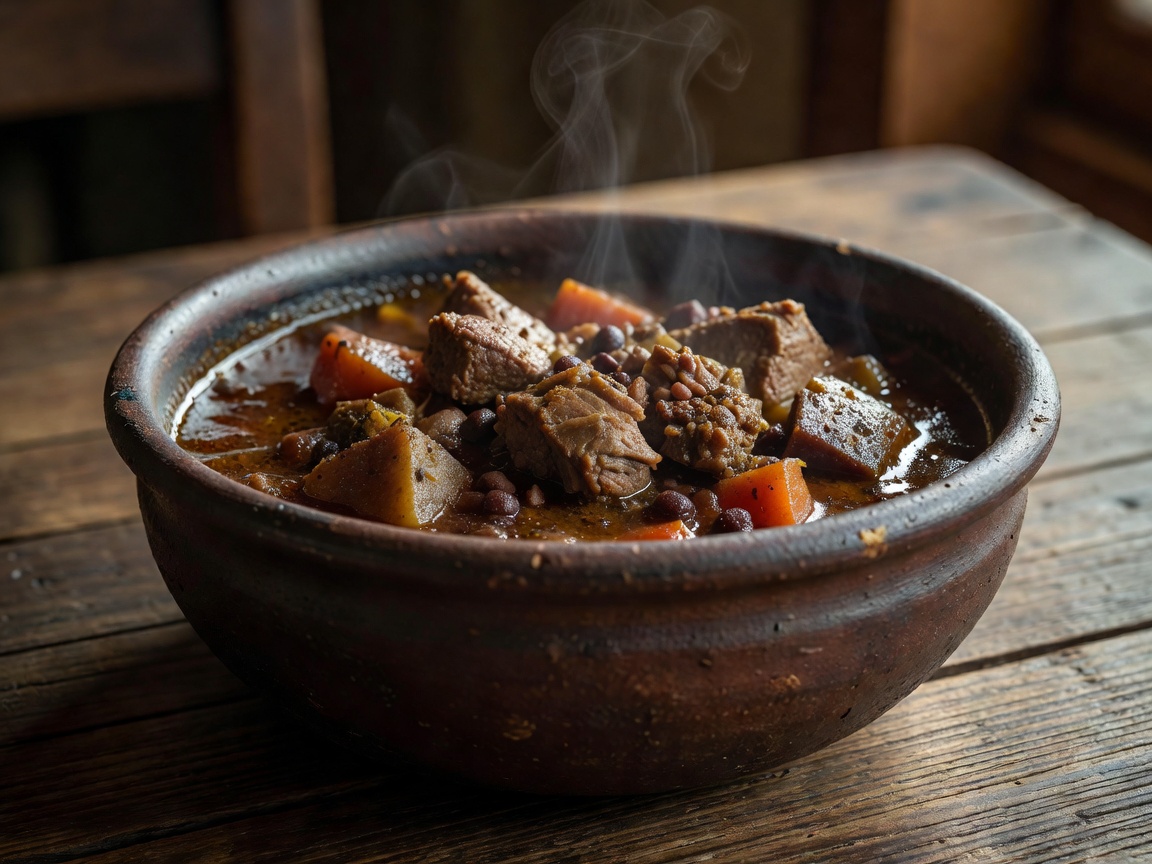
 01
DISHES · PLACE
REGIONAL DISHES
Meals with a sense of place
Explore dishes shaped by local harvests, household habits and neighboring kitchens—not just famous menus.
Read the dish atlasTHE HIDDEN FLAVORS ATLAS — FIELD NOTES IN FOOD
A visual atlas of lesser-known regional dishes and distinctive food cultures. Follow ingredients, landscapes and everyday traditions to the stories that make a meal belong somewhere.
Curiosity over rankings. Context over claims.
FIVE WAYS IN
Each path starts with food and opens onto its landscape, people and history. Choose a thread to follow.
01DISHES · PLACE
REGIONAL DISHES
Explore dishes shaped by local harvests, household habits and neighboring kitchens—not just famous menus.
Read the dish atlas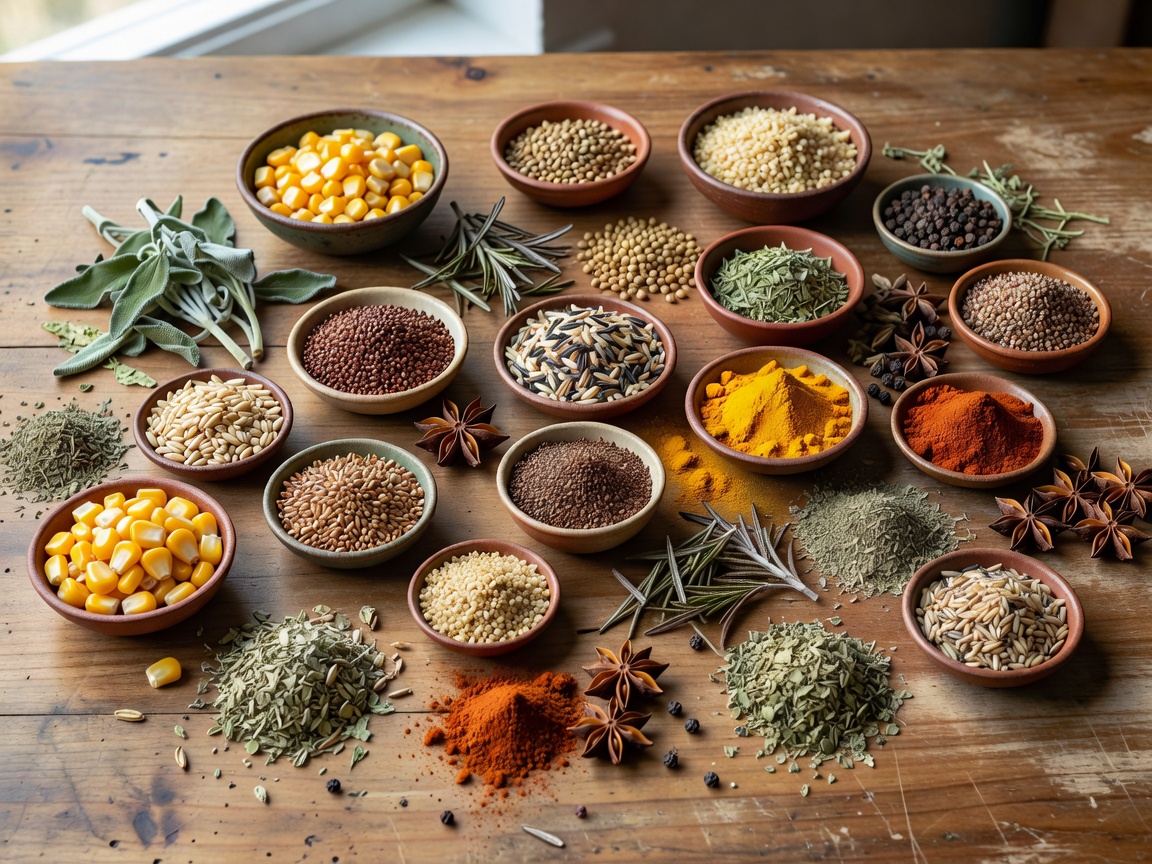 02
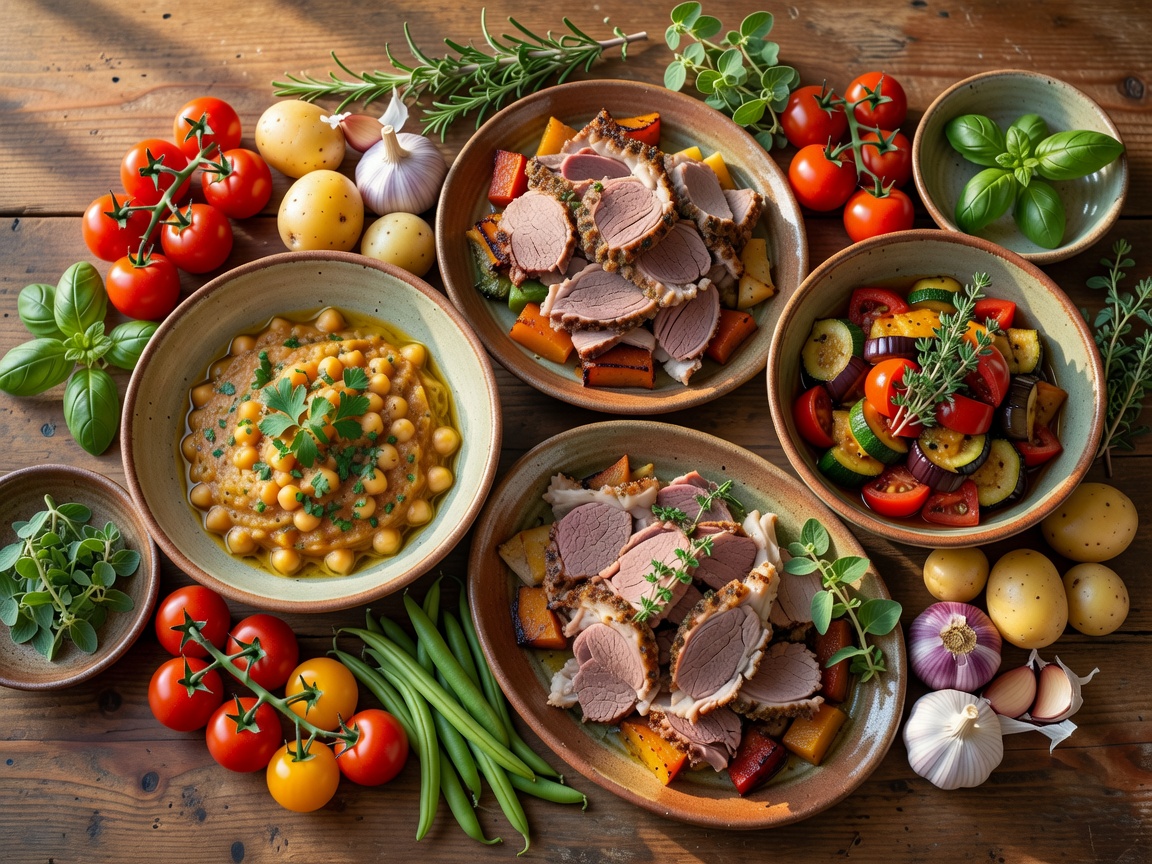
INGREDIENTS · LAND
HIDDEN INGREDIENTS
Meet regional grains, preserved foods, wild herbs and other ingredients whose stories travel unevenly.
Explore the pantry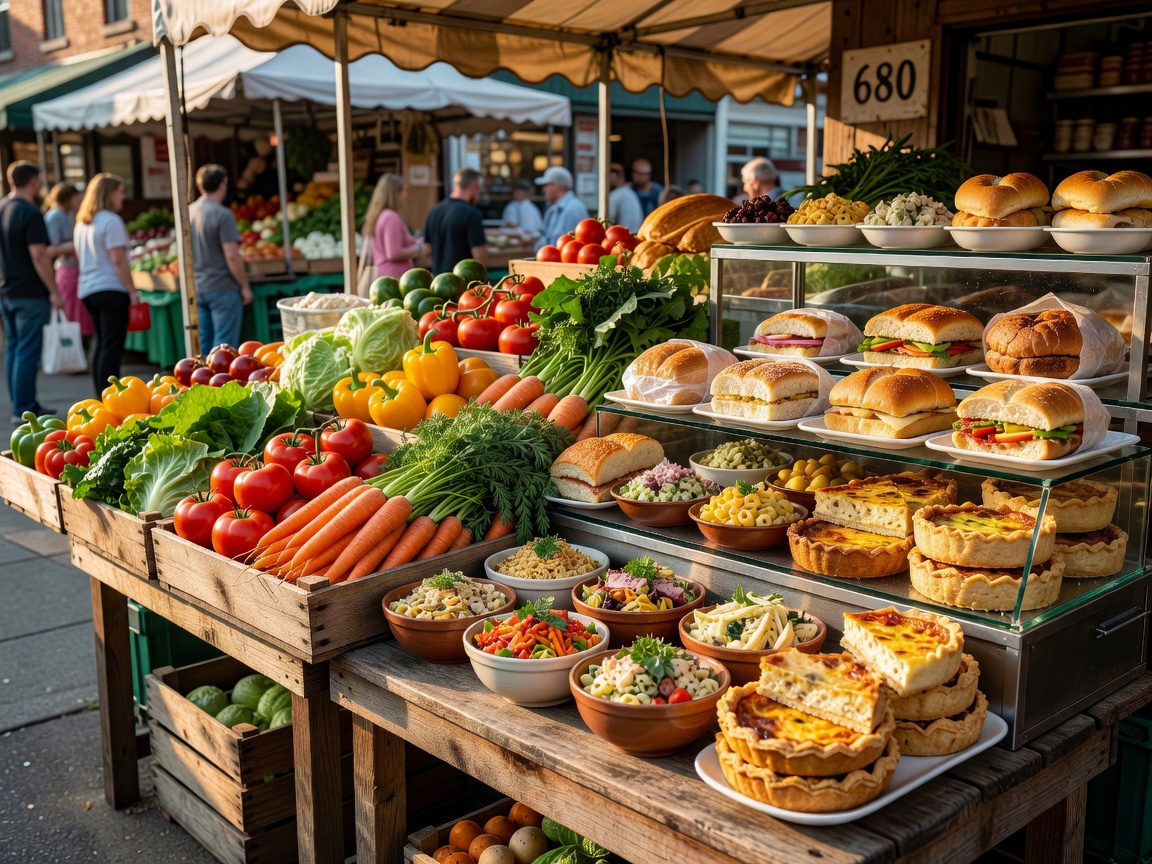 03
PEOPLE · EVERYDAY LIFE
LOCAL FOOD CULTURES
Markets, shared tables, bakeries and daily rituals show how food becomes part of community life.
Enter everyday food life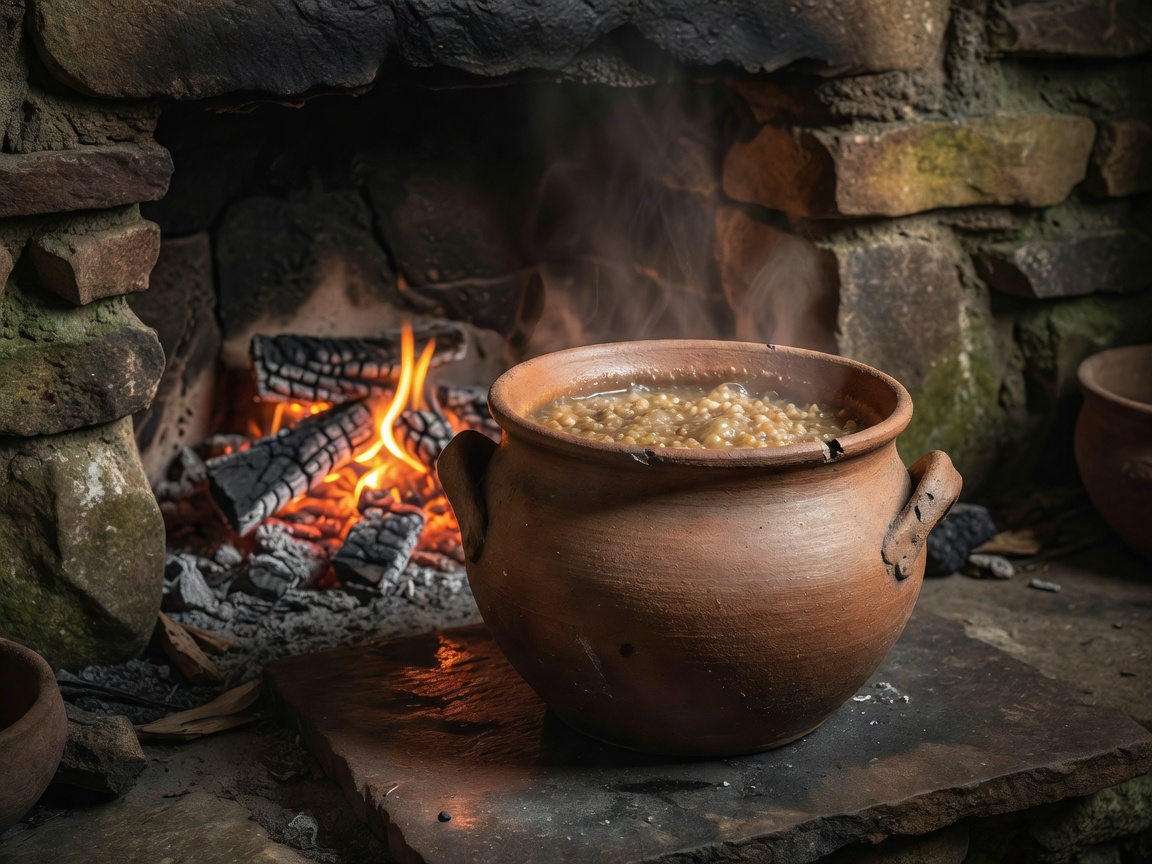 04
METHODS · KNOW-HOW
TRADITIONAL COOKING METHODS
Look at fermentation, fire, drying and patient cooking as practical knowledge shaped by place.
Follow the methods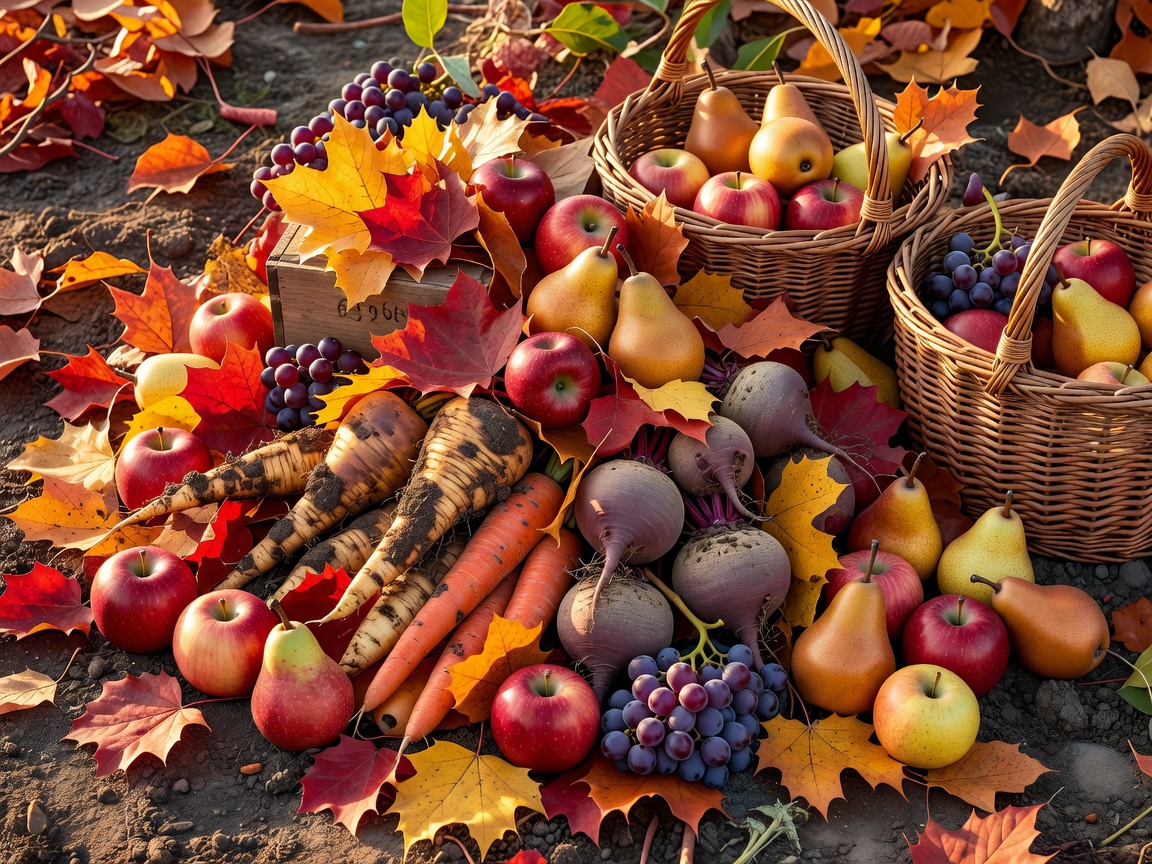 05
SEASONS · HARVEST
SEASONAL FOOD TRADITIONS
Trace harvest rhythms, spring greens and preserved stores through changing seasons and climates.
Explore the food yearA MORE GENEROUS LENS
Food culture is not a shortlist. The quieter, more local details often tell us how people work with the world around them.
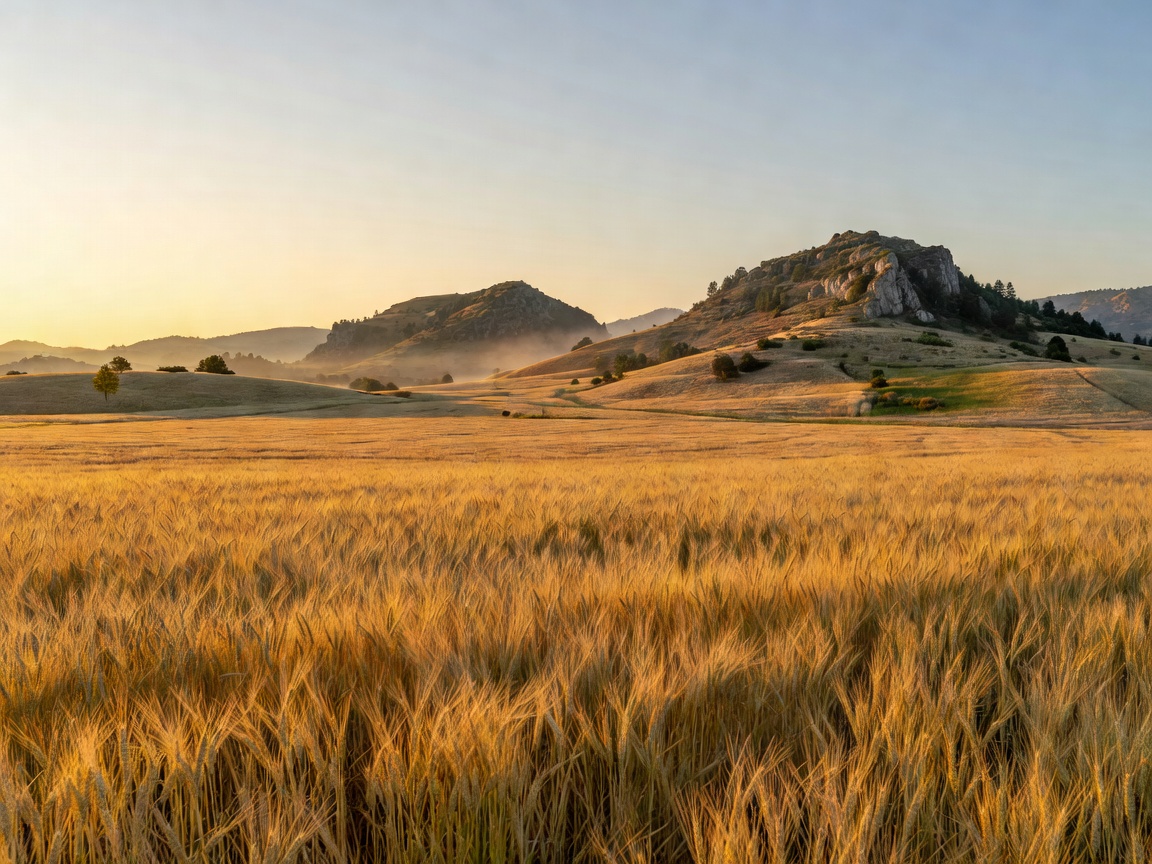
A dish can be a record of what grows, what keeps, and who shares the work.
Local agriculture and climate shape what is abundant. Geography influences routes to markets. Family traditions hold practical knowledge, while migration and trade bring ingredients and ideas into conversation. Religious and cultural practices may mark particular foods or moments, but no single custom speaks for everyone in a place.
Land & climate — growing conditions influence everyday choices.
Time & keeping — preservation connects abundance to leaner seasons.
Movement & memory — trade and migration keep food traditions changing.
HOW WE FOLLOW A FOOD STORY
Our editorial approach moves from place to practice, keeping context visible and uncertainty honest.
Notice landscape, climate and routes.
Ask what grows, arrives or keeps.
Look at the work behind the flavor.
Meet a meal in its local setting.
Consider how practices are shared.
Keep change and many voices in view.
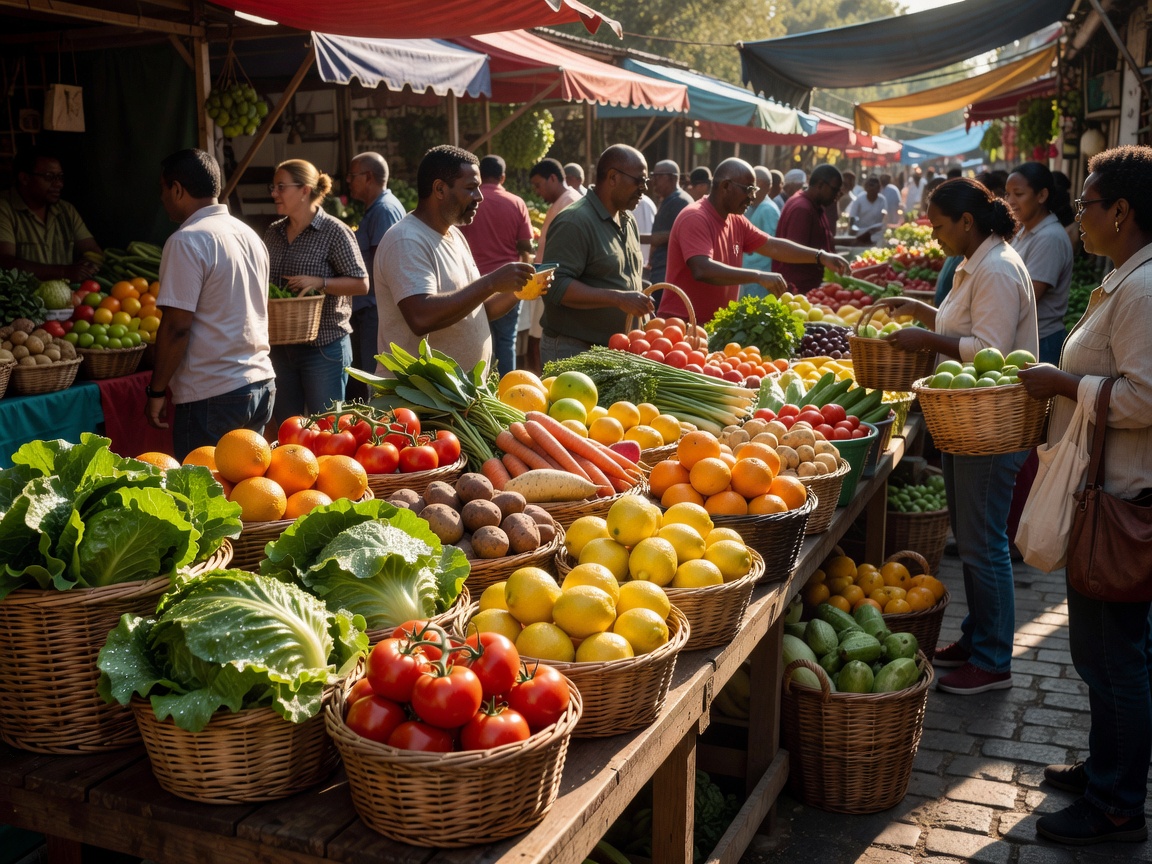
START SOMEWHERE SMALL
Begin with a grain, a preserved leaf or a familiar bowl—and stay curious about the context around it.