Everyday life is part of the story
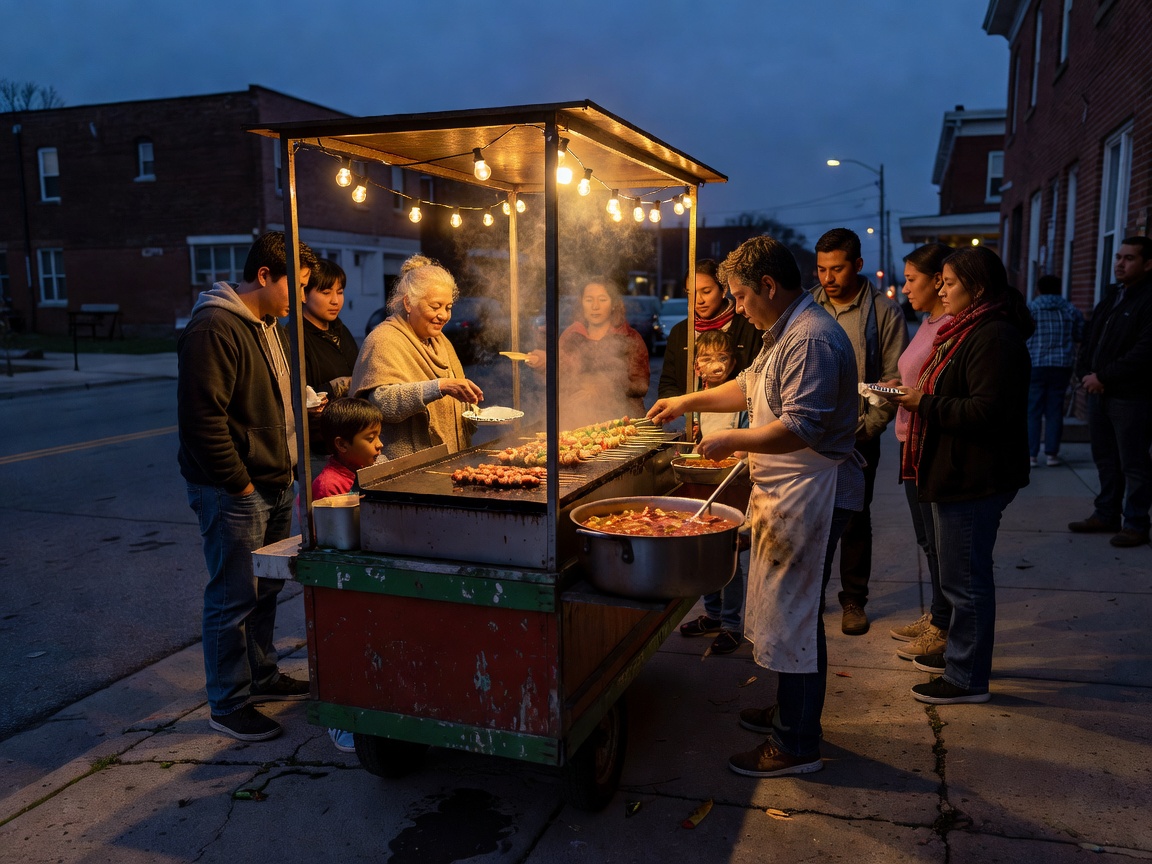
Food culture is not only a collection of signature dishes. It includes how people shop, grow, prepare, share and talk about food. It can be visible in a bakery opening before dawn, a market’s changing produce, a family meal fitted around work, or a neighbor bringing something to a gathering. These practices are varied and often ordinary to the people who maintain them, which is precisely why they can be missed by a visitor looking only for iconic foods.
There is no single daily rhythm that represents an entire region. Work schedules, income, household size, access to shops and personal preference all shape what people eat. Rural and urban foodways may differ; so may the routines of people living in the same street. A thoughtful account stays specific about whose practice it describes and avoids presenting one family’s habit as a universal rule.
Markets as meeting places
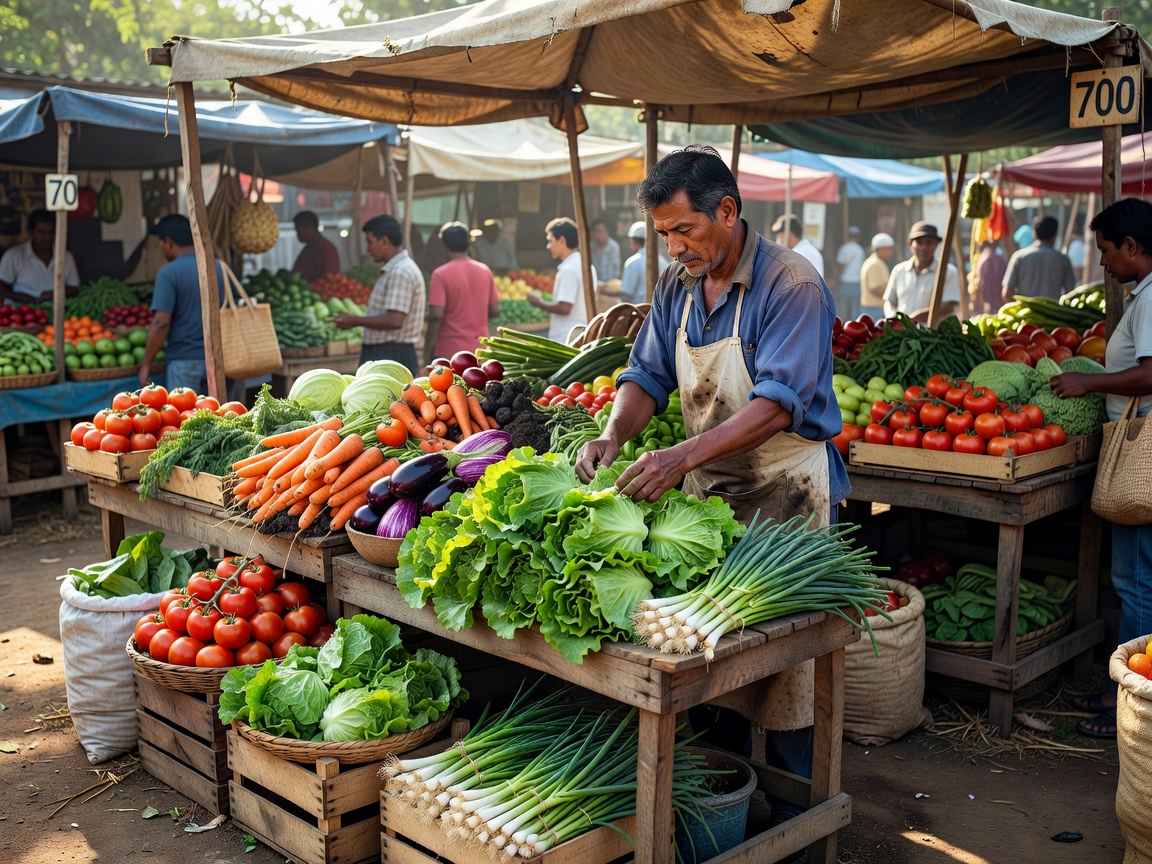
Markets are places of exchange in several senses. They connect growers, makers, sellers and cooks, while offering a changing view of what is in season or arriving through trade. In a coastal market, inland produce and sea foods may meet; in a city, ingredients from many food traditions can sit within a short walk. The stalls, languages and purchasing habits of a market tell a story of movement as well as supply.
Market culture varies widely. Some people shop daily for small quantities; others buy staples less often or rely on shops, co-ops, gardens and delivery. What looks like a market tradition may change with transport, refrigeration, land use and local economics. Street food also belongs to this wider setting. Vendors make food accessible in particular routines and spaces, but the people who sell and buy it are not a backdrop: they are part of the food culture itself.
Family meals, hospitality and shared tables
Meals can carry ideas of care and welcome. Sharing a dish, offering tea or sending food home with a guest may express hospitality in some settings. Yet practices differ by household, faith, occasion and individual preference. Hospitality is not a script that every person in a culture follows. It is better understood through specific examples and the relationships around them.
Family meals can pass on tastes, skills and stories, but households are not static. Children learn from relatives, schools, peers and media; adults adapt to new work patterns or dietary needs. A recipe may be kept for a holiday, made on an ordinary weekday, or changed because a familiar ingredient is hard to find. The shared meal can be a point of continuity without requiring identical practice across generations.
Seasonal gatherings and agricultural communities
Harvest work, seasonal availability and community gatherings can shape when particular foods are prepared. A meal may accompany a period of shared labor, mark a family occasion or reflect the arrival of a crop. In agricultural communities, knowledge of weather and work can be closely connected to cooking. But festivals and food customs vary locally, and a calendar can shift with region, faith, weather and contemporary schedules.
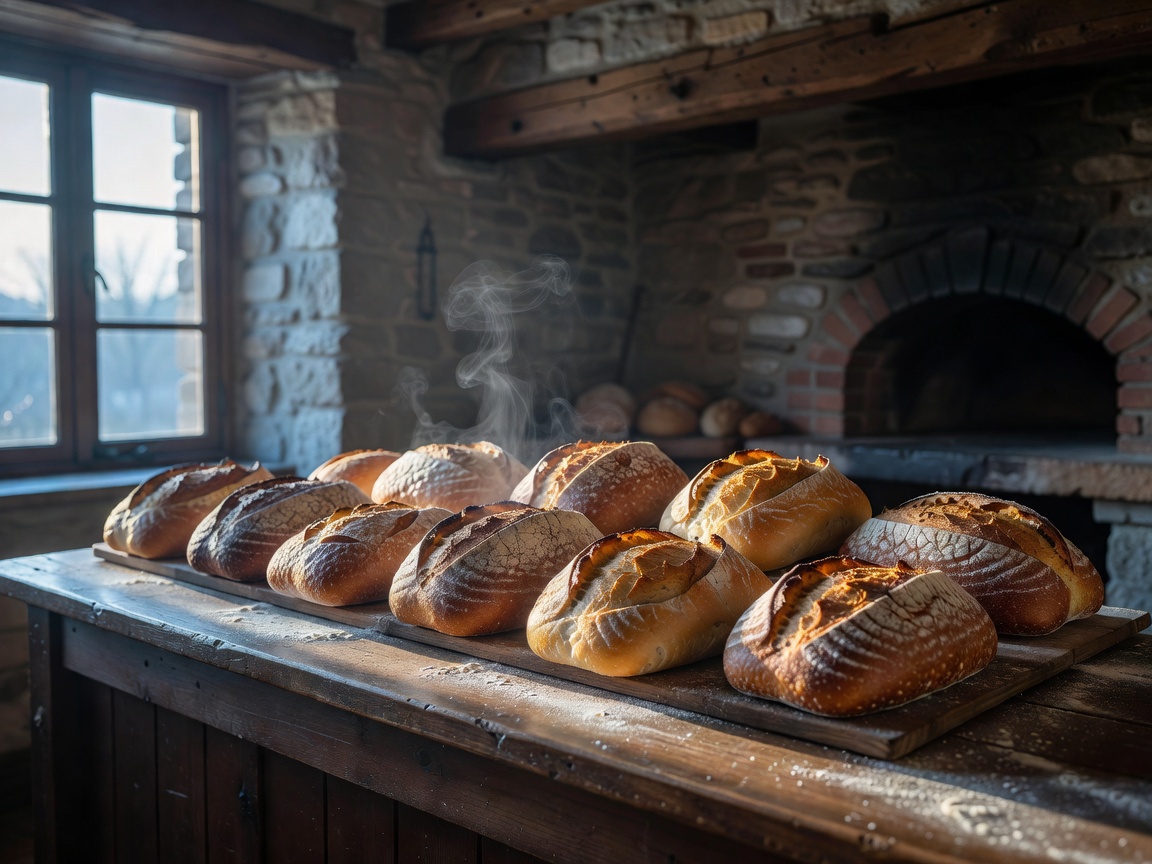
Food is also part of regional identity. People may recognize a particular bread, market ingredient or preparation as belonging to home. That recognition can be strong without being exclusive. Neighboring communities may share techniques and still describe them differently; a dish may have several names or acquire new meanings in another setting. Identity can be expressed through food, but it should not be used to make assumptions about every individual.
Migration, trade and the changing city
Migration brings culinary knowledge with people. Familiar ingredients may be sourced through specialist shops, grown in home gardens, substituted or prepared in new ways. Over time, restaurants, street vendors and home cooks can influence what neighbors consider familiar. A food may pass across cultural lines through friendship, work or commerce, becoming part of a city’s everyday eating.
Trade has moved ingredients and techniques for centuries, although each route and period has its own history. The fact that a spice or staple appears in many cuisines does not mean it was always used in the same way. People adapt what arrives to local preferences and available tools. For a useful comparison, look at how foods travel, what changes in their new setting and which older connections remain visible.
Seeing culture without flattening it
Food writing can make everyday life visible, but it can also simplify. One photograph cannot stand for a population; one account cannot speak for a whole city. Outside attention may favor colorful street scenes while overlooking domestic work, affordability and the labor behind a meal. A fuller picture includes routine, difference and change, not just spectacle.
Field notes
- What We Know
- Food culture includes social routines, exchange, skills and meanings as well as dishes.
- What Can Vary
- Shopping habits, hospitality, meal times and customs differ among households and generations.
- Good For
- Readers interested in the people and everyday settings that make food meaningful.
- What to Look For
- Notice who prepares and sells food, where people gather, how seasons affect routines and what changes with migration.