Methods grow out of practical questions
Traditional cooking methods are not simply old techniques preserved unchanged. They are ways of working with food, time, tools and environmental conditions, developed and adapted by people in particular settings. Drying, salting, smoking, pickling, fermenting and slow cooking can extend the usefulness of ingredients, but they also create distinctive textures and flavors. The same method can serve different purposes in different places.
Climate, season and storage needs matter. A short harvest can make preservation useful; damp air may require a different drying arrangement from a dry climate. Fuel availability influences whether food is cooked quickly over a flame or gently over a longer period. Transport, household size and labor also shape the process. A method is practical knowledge rather than a simple response to one environmental factor.
Fermentation, pickling and keeping food
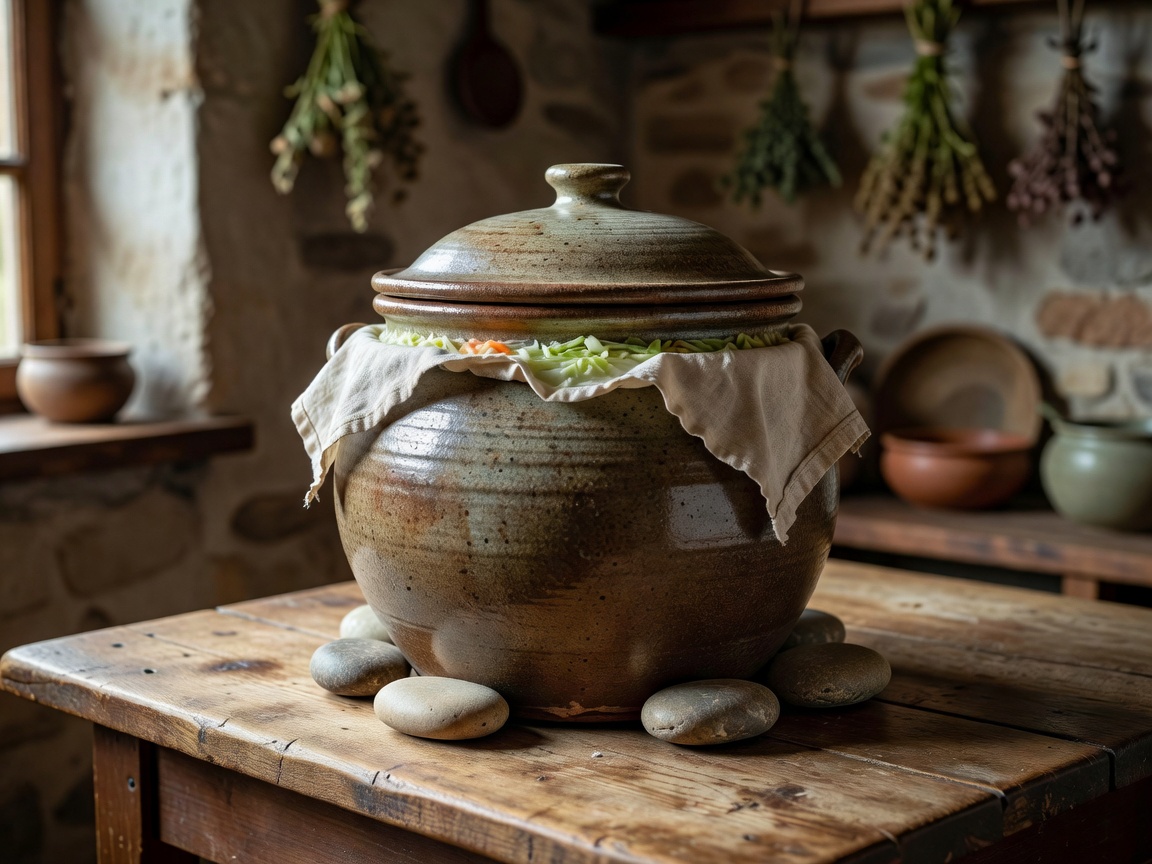
Fermentation refers to transformations driven by microorganisms under particular conditions. In kitchens, it can produce acidity, aroma and changes in texture. Ingredients, temperature, salt, vessel and duration all matter, and practices vary considerably. Pickling may rely on vinegar, brine or other methods; the word covers many preparations rather than one universal process. Both approaches can preserve food and develop flavors that fresh ingredients do not have.
Salting, curing and smoking are also varied practices. Salt can draw out moisture and contribute to keeping; smoke adds flavor and can be part of a preservation process, though its effect depends on how the food is prepared and stored. Modern food safety knowledge is important: historical techniques are not a substitute for reliable guidance on safe preparation. A cultural description should explain the method without turning into unverified food-safety instructions.
Drying, grain processing and seasonal stores
Drying uses air, sun or controlled heat to reduce moisture. It can make fruits, herbs, fish and other foods easier to keep and transport, while concentrating flavor. The local environment shapes where and how foods can dry; some practices depend on shade, airflow or protected surfaces. What looks like a simple technique may require careful knowledge of weather, timing and storage.
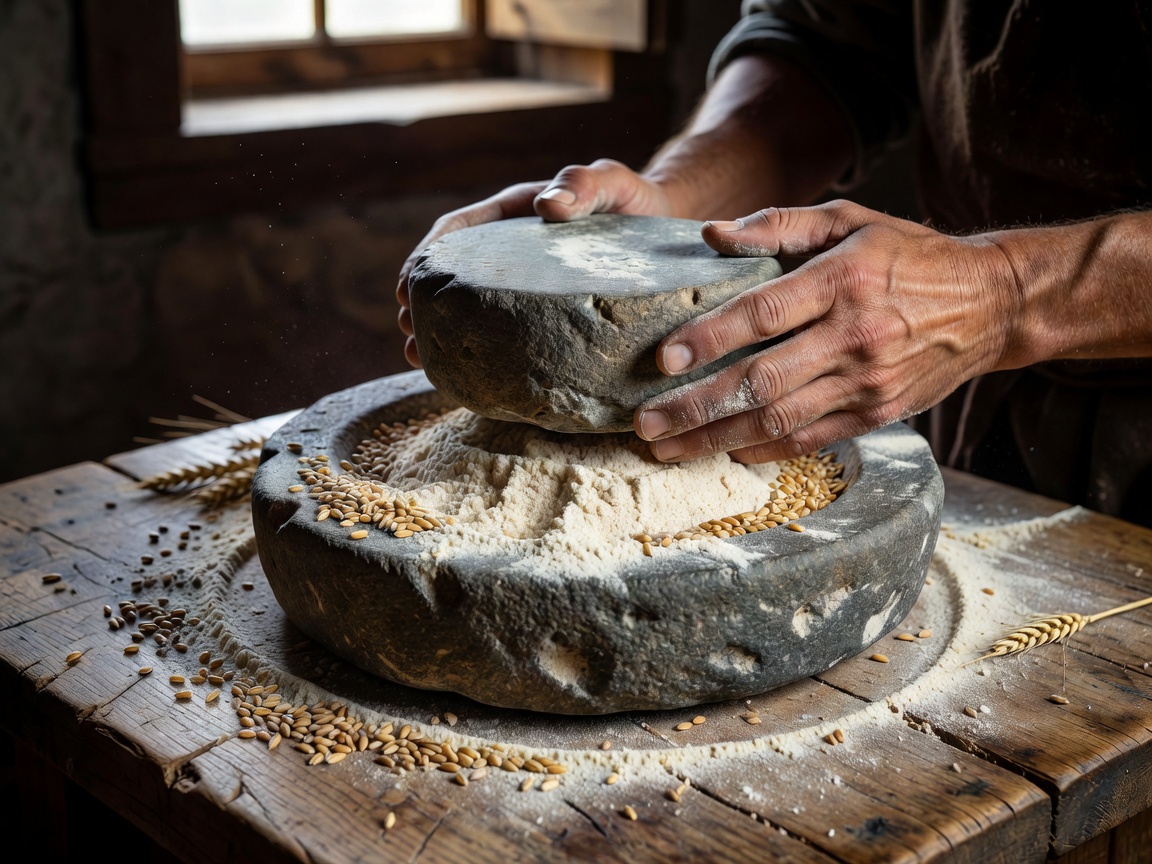
Grain processing is another family of methods. Threshing, winnowing, grinding, soaking and roasting change how grains can be used. The tools and sequence vary with crop and desired result. Milling may produce flour for flatbreads or baked goods, while whole grains can be cooked into porridges or stews. Processing connects agriculture to the texture and rhythm of meals, and the work may be shared across a household or community.
Fire, slow cooking and baking
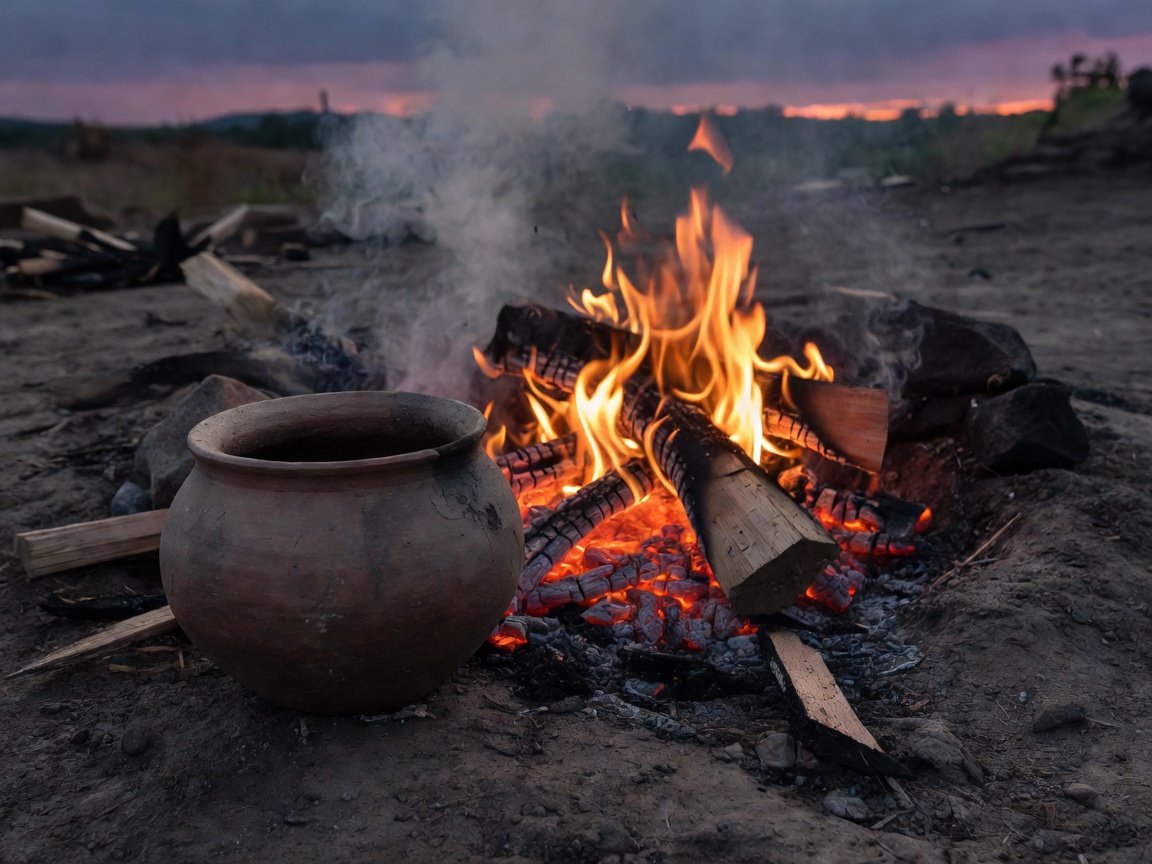
Open-fire cooking can be shaped by available wood or other fuel, the vessel, the distance from heat and the cook’s experience. Grilling, roasting and simmering are not interchangeable, even when they use the same fire. A clay or ceramic vessel distributes heat differently from a thin metal pot and may suit a particular pace of cooking. Vessel materials also carry local craft histories, but it would be misleading to assume every household owns or uses the same tools.
Slow cooking can make tough cuts, dried legumes or sturdy vegetables tender, while allowing flavors to combine. Baking depends on ingredients, heat source, oven design and the skill of managing temperature. Hearths, communal ovens and domestic ovens create different working conditions. Methods may change as equipment becomes available, yet the aim of a modern cook can still reflect inherited preferences and practical knowledge.
Historical practice and modern recreation
Contemporary cooks often recreate older techniques with modern equipment. A modern oven, regulated thermometer or commercially prepared ingredient can make the result safer and more repeatable, but it does not reproduce every condition of an earlier kitchen. Historical fuel, local crops, vessels and daily labor may be difficult to reconstruct. A modern version can be informed by history without being identical to a historical process.
Food historians and cultural writers also work with incomplete evidence. Tools show what was possible, records describe only selected practices, and oral knowledge can be difficult to capture fully in print. Methods often pass through demonstration rather than written instruction. We can describe broad patterns and explain what remains uncertain, rather than making one surviving recipe stand for all kitchens in a period.
Field notes
- What We Know
- Cooking and preservation methods reflect material conditions, food needs and learned skill.
- What Can Vary
- Timing, vessels, fuel and ingredients differ by climate, household and contemporary equipment.
- Good For
- Readers interested in the process behind flavor and the practical knowledge a technique carries.
- What to Look For
- Notice the vessel, fuel, length of time, season and whether a modern account distinguishes recreation from historical evidence.