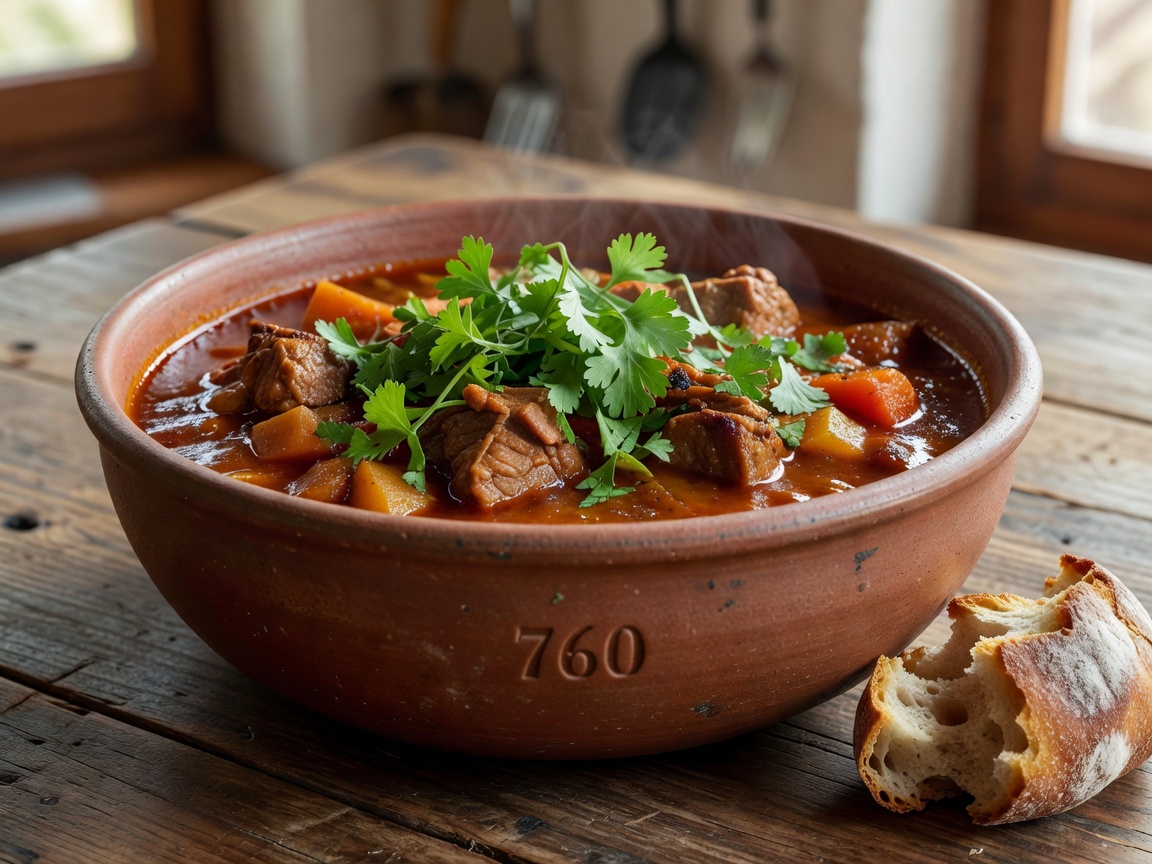
What makes a dish regional?
A regional dish is not simply a recipe associated with a place. It is a way of preparing and eating food that becomes recognizable through repeated local use. Its character may come from ingredients that grow nearby, a method suited to local fuel or climate, a market tradition, or the ordinary rhythm of household meals. Those clues can overlap, and they can change.
Sometimes a dish is strongly associated with a valley, island, coastline or town. Elsewhere, a family of related preparations crosses a broad area, changing as cooks move between farms, ports and cities. Regional identity is therefore better understood as a set of relationships than as a fixed label. A border on a modern map can be useful context, but it does not always describe older trade routes, language communities or shared ecologies.
Ingredients, climate and agricultural knowledge
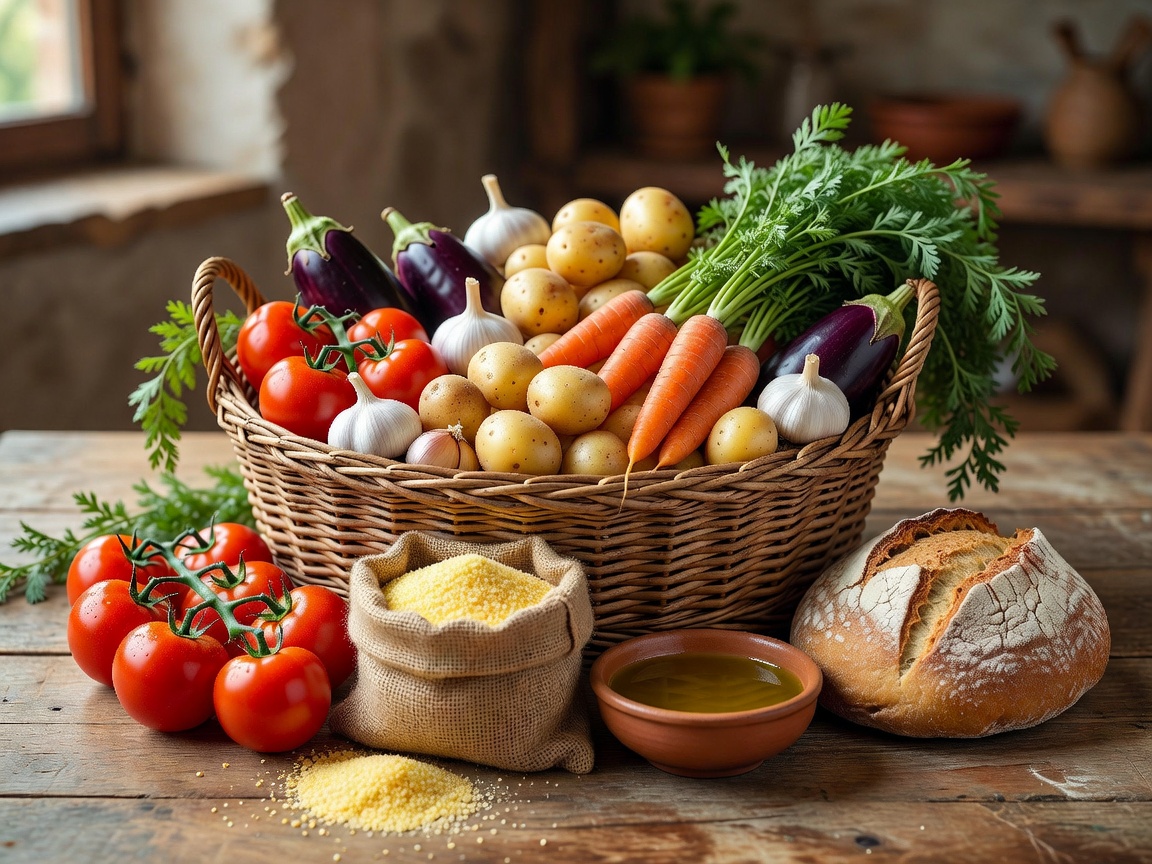
Local availability shapes the everyday possibilities of a kitchen. A wet growing season may support different crops from a dry one; elevation and soil influence what can be cultivated; coastlines and waterways make some foods easier to obtain than inland routes do. Such conditions do not dictate a single cuisine. They create circumstances within which people make choices, exchange goods and develop preferences.
A staple grain, legume or root may anchor a meal because it stores well or suits local agriculture. Herbs, fats, souring agents and preserved vegetables can add character while reflecting what is accessible at different times of year. Agricultural traditions also include knowledge: when to plant, how to save seed, how to use a whole harvest and how to adapt when conditions shift. These practices are diverse within any region, and a dish’s ingredients may vary by season or household.
Household cooking and neighboring influences
Home cooking rarely follows a single authoritative version. A preparation may be learned by watching, adjusted by taste and modified to fit the ingredients at hand. One household might prefer a softer texture; another might use a different herb or cooking vessel. Those differences are not necessarily departures from tradition. They can be the way a living practice works.
Neighbors influence one another through trade, travel, marriage, work and migration. Ingredients cross waterways and mountain passes; techniques travel with cooks; dishes are adapted in new homes. In borderlands and port cities, exchange can be especially visible, but no place is culturally sealed. Similar-looking foods do not always share one origin, and resemblance alone is not proof of direct borrowing.
Migration, cities and modern adaptation
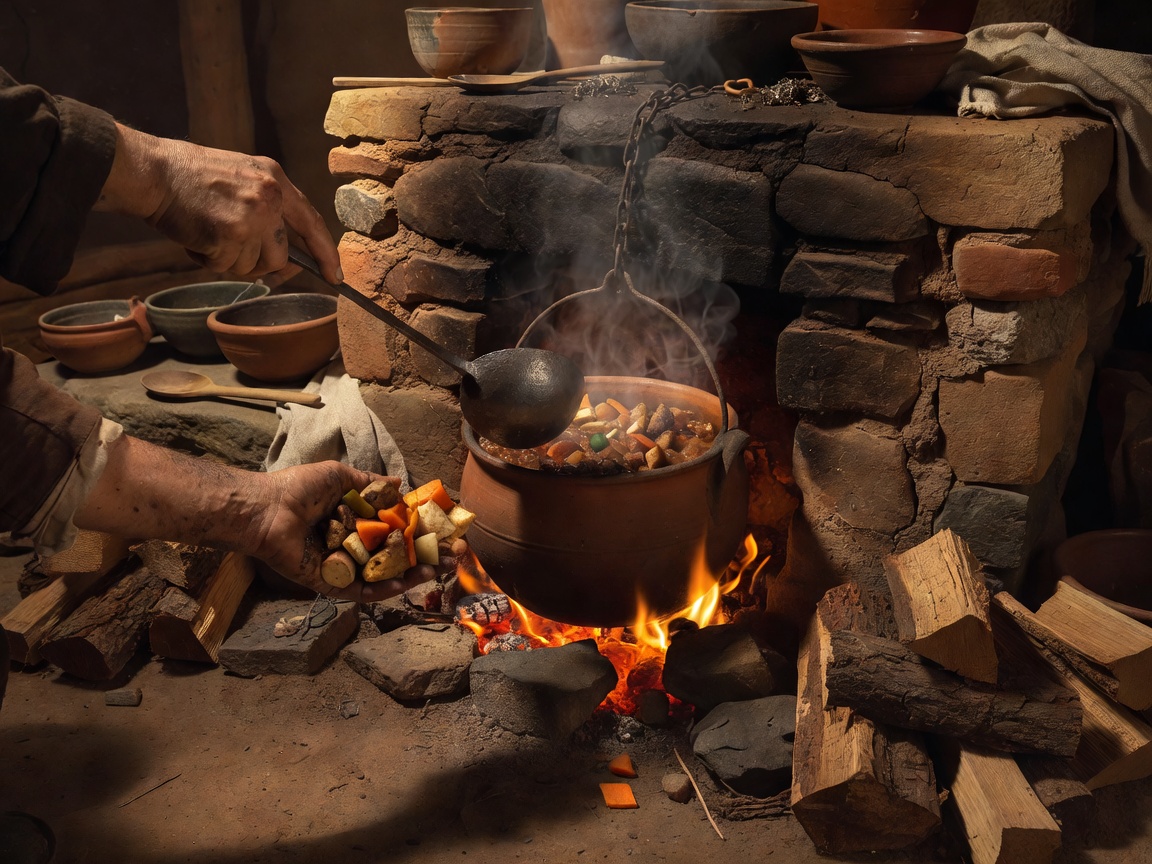
Urbanization can bring rural ingredients and cooking habits into new settings, while city markets create access to foods that were once difficult to obtain. Migration carries familiar flavors into new neighborhoods. Cooks may substitute, combine or reinterpret ingredients according to availability and the tastes of the people around them. A dish can become a marker of continuity and, at the same time, a record of change.
Modern adaptations are not automatically less authentic than older preparations. Nor does a popular contemporary version necessarily represent every local practice. Restaurants, cookbooks, social media and tourism can make certain dishes visible while leaving everyday foods in the background. A careful account names its scope: which community, season, household practice or documented version is being discussed?
Reading dishes with care
Reconstructing food history has advantages and limits. Recipes, agricultural records, oral accounts and material evidence can offer useful clues, but each captures only part of a food system. Written sources may privilege literate or powerful groups; memories can be selective; ingredients and names shift over time. A present-day preparation can illuminate continuity without proving that every detail has remained unchanged.
Comparisons are most helpful when they notice both resemblance and difference. Two neighboring areas may share a grain yet season it differently. A coastal preparation and an inland one may use similar techniques for different practical reasons. Rather than asking which place owns a dish, ask how people make it meaningful, how it travels and what changes when it does.
Field notes
- What We Know
- Regional dishes reflect combinations of ingredients, skills, exchange and repeated local practice. Their identities often overlap rather than stopping at a border.
- What Can Vary
- Names, ingredients, texture and occasion may differ by household, season, community and contemporary availability.
- Good For
- Readers tracing how landscape, everyday cooking and migration meet in a meal.
- What to Look For
- Notice the staple, the preserving or cooking technique, the season it suits, and who describes the dish as part of local life.