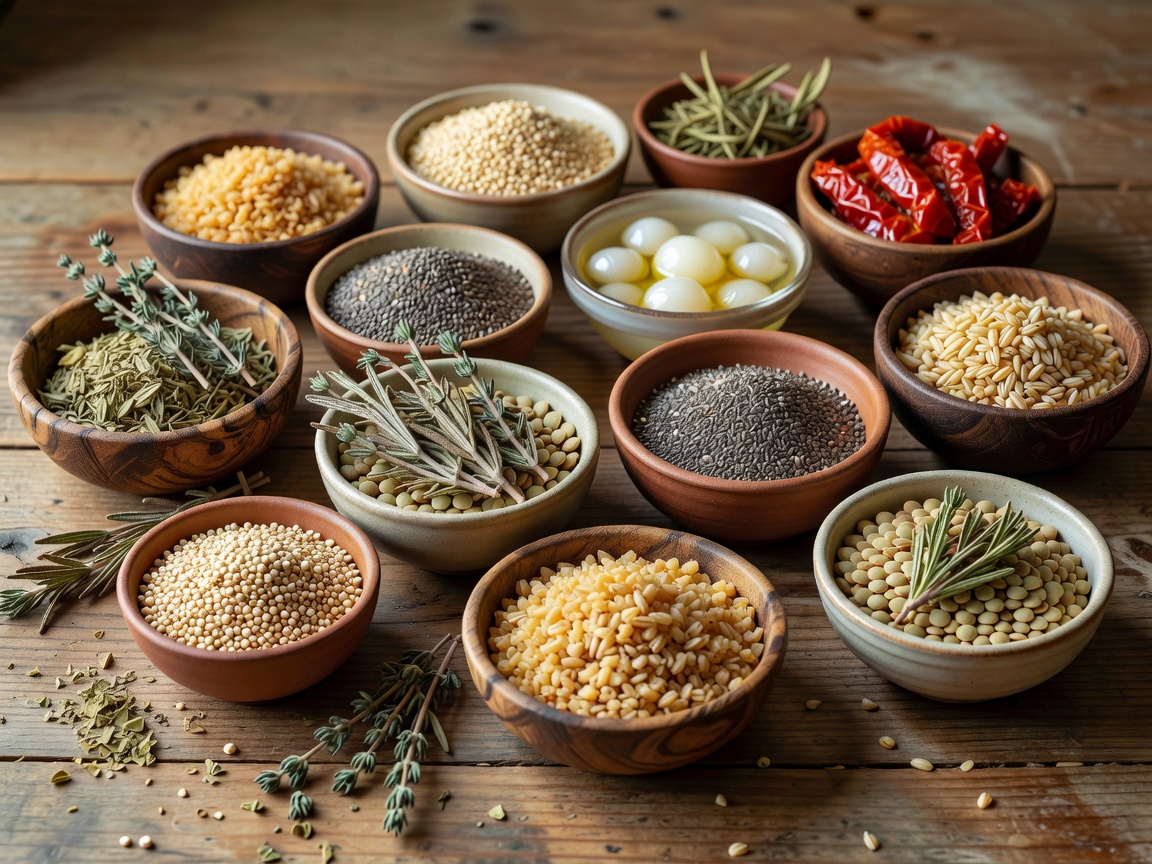
What makes an ingredient feel hidden?
“Hidden” does not mean rare, mysterious or forgotten by the people who use an ingredient every day. It describes a gap in visibility: foods that are important in particular kitchens may be less familiar to readers elsewhere. That gap can reflect language, distribution, changing agriculture, limited documentation or the way global food media chooses its subjects. The ingredient itself may be ordinary locally.
Ingredients also resist tidy categories. A grain may be a staple in one landscape and an occasional market purchase in another. A preserved vegetable might be a household practice rather than a product with one standard name. To understand a food, ask who uses it, when it is available, how it is prepared and what role it plays in a meal.
Grains, legumes and roots
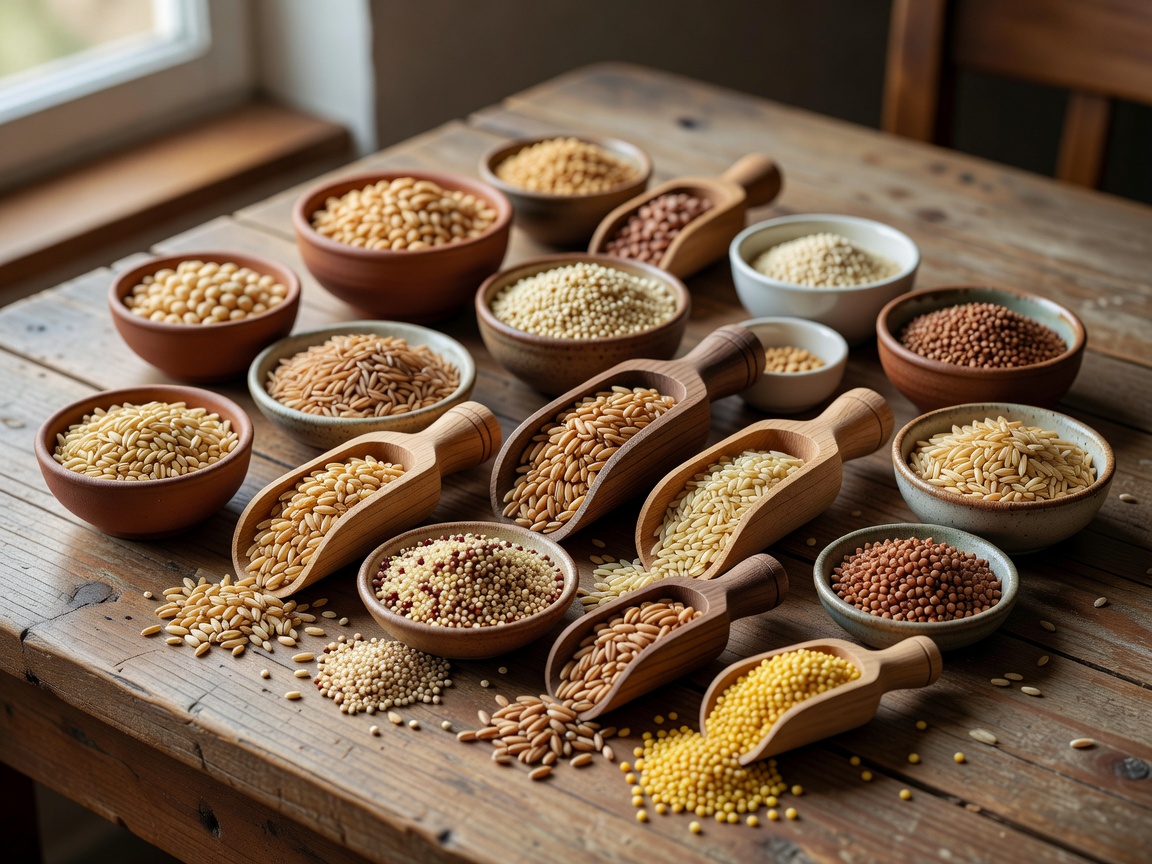
Regional grains and legumes reflect both growing conditions and culinary preference. Buckwheat, millet, sorghum, teff and many other grains have deep significance in particular food systems, although their histories and contemporary roles differ. Their familiarity varies with trade, climate, crop policy and changing tastes. No grain belongs exclusively to one culture, and names can refer to different varieties across languages.
Legumes contribute texture and substance to stews, breads, relishes and everyday bowls. Their storage qualities have made them useful in many foodways, but preparation matters: soaking, grinding, sprouting or slow cooking can change their texture and flavor. Roots and tubers similarly show the link between soil, season and kitchen technique. A root may be roasted, dried, fermented or milled depending on local practice.
These foods are not merely substitutes for more globally visible staples. They can carry specific agricultural knowledge, preferences and meanings. Explaining them well means describing their local use rather than comparing them only with an internationally dominant crop.
Wild herbs, peppers and edible plants
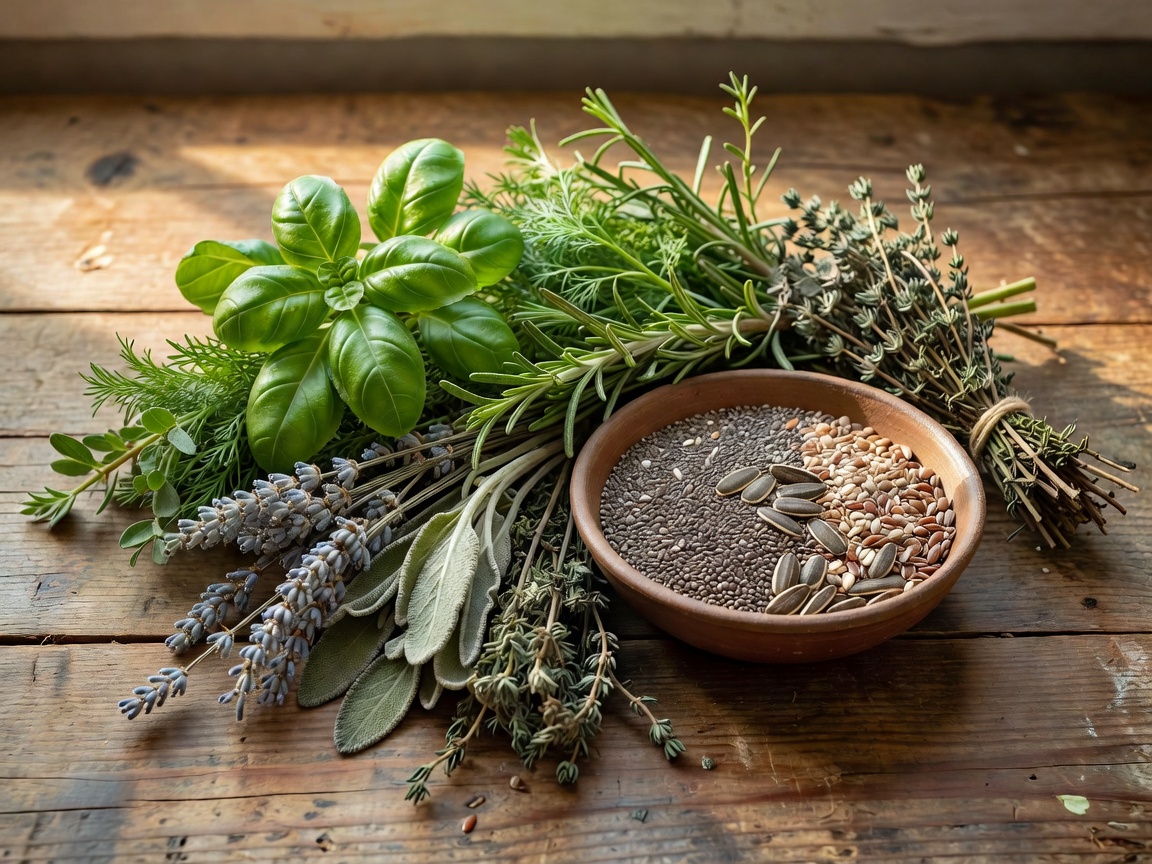
Wild herbs and edible flowers often require close knowledge of season and habitat. They may be gathered fresh, dried for later use or folded into oils, broths and sauces. Their flavors can range from resinous and bitter to citrus-like or gently floral. Availability is local and seasonal; identification should never be guessed from a photograph, and this atlas is not a foraging guide.
Regional peppers and spice mixtures are equally diverse. Heat is only one part of a pepper’s character: aroma, fruitiness, smokiness and drying method also matter. A blend may have no single canonical formula, because cooks adjust it to household taste and what is at hand. Spices travel through trade, but recipes acquire particular local expressions as ingredients meet familiar techniques.
Preserved, fermented and transformed
Preserved vegetables, fermented ingredients, dried fruits and cured foods show how transformation extends availability and makes new flavors. Fermentation can produce acidity and complexity; salting draws out moisture; drying concentrates flavor; pickling uses a prepared liquid or natural acidity. These are broad methods, not a guarantee of one taste or process. Local recipes can vary by climate, vessel, length of time and household preference.
Local dairy products and preserved fish also reflect the practical conditions of making perishable foods last. In coastal communities, fish preservation can connect a catch to future meals and distant exchange. Dairy traditions can be shaped by the animals, pasture and tools available. The finished food may become part of a local vocabulary of texture, savoriness and hospitality.
Why some foods travel—and others do not
Geography affects what grows and how easily it moves. A perishable herb may remain highly local, while dried or milled products can travel farther. Storage, transport, market demand and language all influence visibility. When ingredients move between cultures, they can be renamed, substituted or used in new combinations. Movement does not erase their earlier context, but neither does it freeze them in place.
Preparation changes flavor as much as raw material does. Toasting can deepen aroma; soaking can soften a pulse; fermenting can introduce tang; slow cooking can bring ingredients together. Looking closely at process helps explain why two kitchens using the same ingredient may produce distinct results. It also reveals practical knowledge that a simple ingredient list leaves out.
Field notes
- What We Know
- Ingredients become meaningful through local growing conditions, trade, preparation and repeated use.
- What Can Vary
- Names, varieties, harvest times and recipes shift across communities and even neighboring households.
- Good For
- Readers curious about the pantry details that quietly shape a region’s food.
- What to Look For
- Ask whether an ingredient is fresh, dried, milled, fermented or preserved—and what changes during preparation.