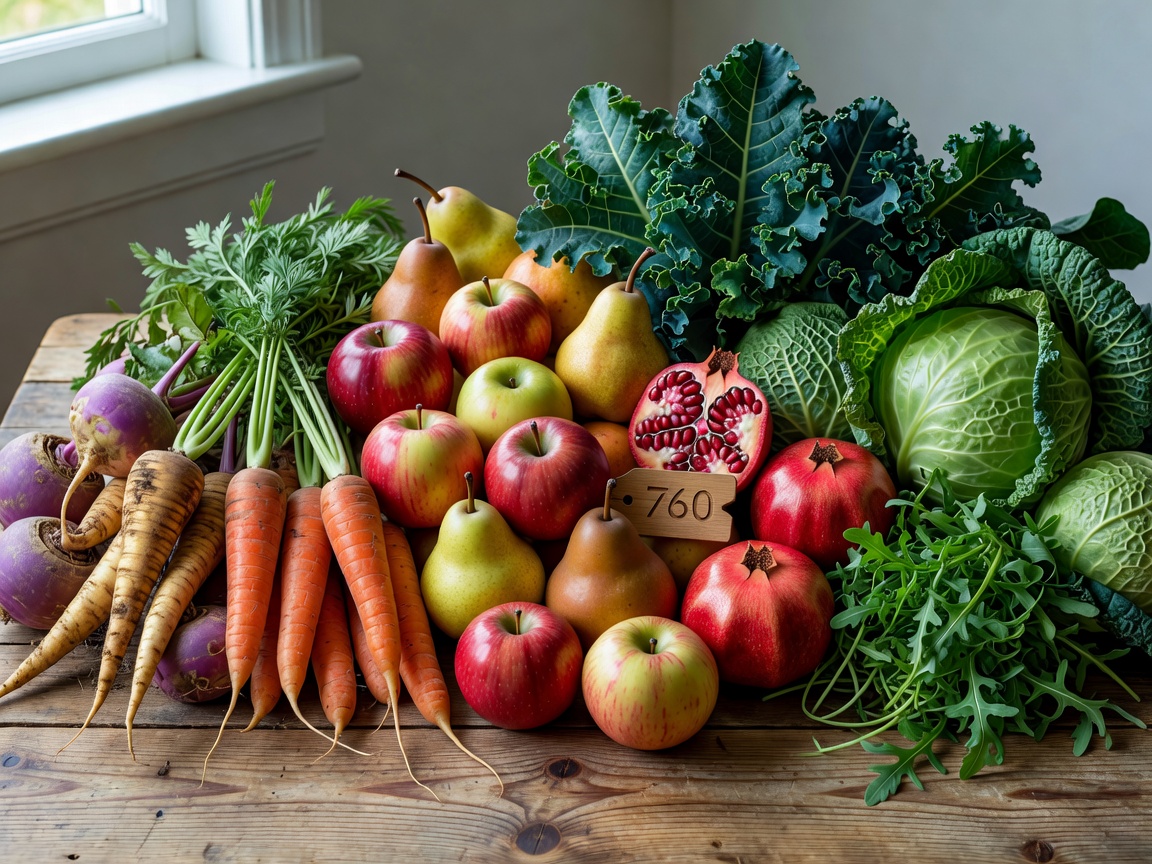
Seasonality is local knowledge
Traditional diets have often been shaped by what could be gathered, grown, caught or traded at different times of year. The timing varies with latitude, altitude, rainfall, soil, water temperature and the plants or animals involved. A spring food in one climate may arrive much later in another. Even close communities can experience different harvest windows, so a simple four-season calendar rarely tells the whole story.
Seasonality is also social and practical. People may plan around work, market days, family events and the time needed to process a harvest. Seasonal eating is not just an aesthetic preference for fresh produce; it can reflect access, storage, labor and household resources. The foods associated with a season may change over time as farming and trade change.
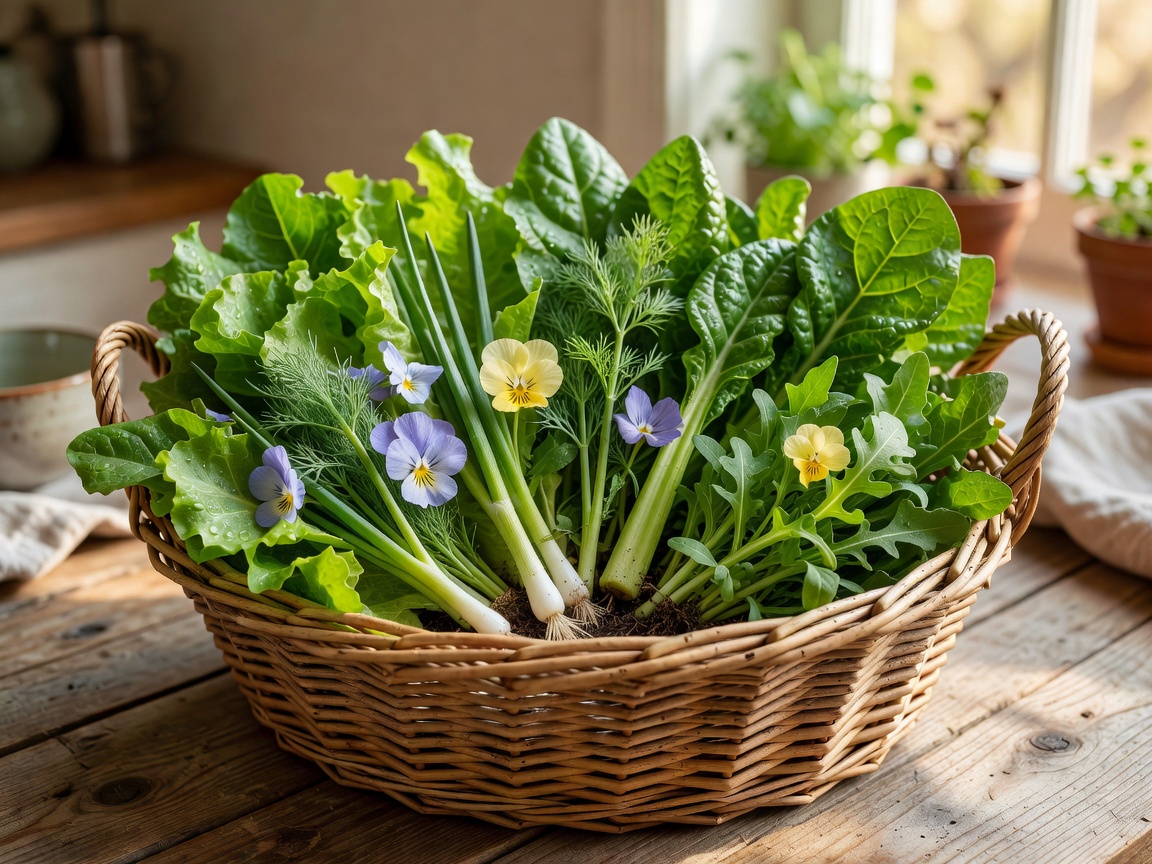
Spring greens and summer abundance
In places with colder winters, spring can bring tender leaves, shoots and herbs after a quieter growing period. These foods may be gathered from cultivated plots or other local environments. Their first appearance can mark a welcome shift, although wild gathering depends on specific knowledge and should never be approached by guesswork. Local names and recipes often carry the detail needed to understand how a plant is used.
Warmer months can bring a wider range of fruits, vegetables and herbs in many temperate settings. Coastal food availability may follow different rhythms from inland agriculture, while rainy and dry seasons shape crops in tropical regions. Summer produce can be eaten fresh, cooked quickly or preserved while abundant. The resulting stores connect a brief harvest to meals later in the year.
Seasonal fish and other foods from waterways also follow ecological patterns, but timing and access differ greatly. Regulations and sustainability concerns matter alongside tradition. A description of a customary seasonal food is not a recommendation to harvest it; it should recognize that environments and food systems change.
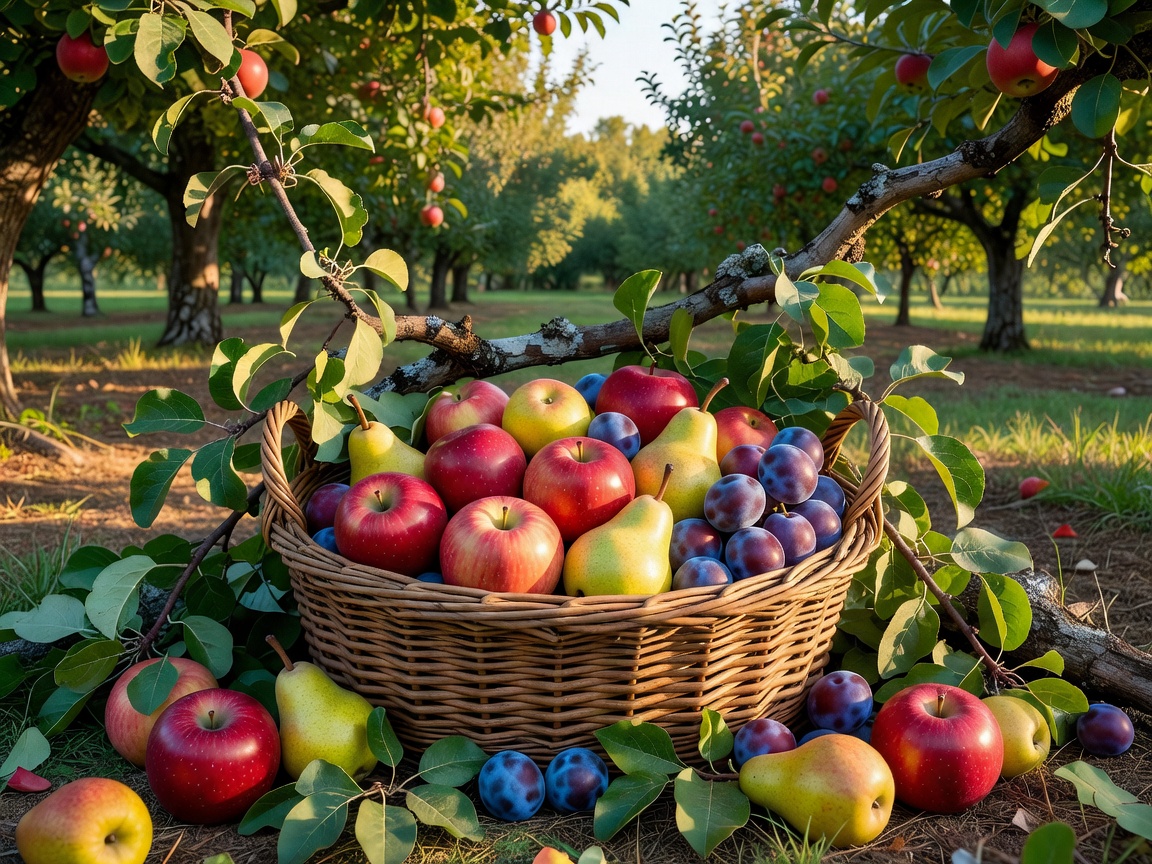
Autumn fruits, roots and grains
Autumn harvests in some regions bring orchard fruits, nuts, mushrooms, root vegetables and grains. These foods can be eaten fresh or prepared for storage. Roots may keep well under suitable conditions; fruits can be dried, cooked or preserved; grains can be threshed and milled. Each process requires labor and equipment, and the work is not always visible in a finished meal.
Mushrooms and berries are particularly tied to local ecology and knowledge. Their availability can depend on rainfall and habitat, and safe identification is essential. Traditional food knowledge can include careful ways of distinguishing varieties and places, but a general guide cannot replace expert instruction. These ingredients also remind us that seasonal food is not limited to cultivated fields.
Winter stores and preservation
In colder climates, winter availability has historically made stored food important. Drying, fermentation, salting, pickling and cellaring can carry ingredients beyond their harvest. Preserved vegetables, dried legumes, grains, cured foods and fruit preparations may become part of everyday meals. The combinations vary by place, and no single preservation strategy defines a whole region.
In warmer climates, dry or rainy seasons may organize food availability differently from a cold winter. Water, harvest cycles and transport can matter more than temperature alone. Some places experience multiple growing periods; others rely on a short rainy season. Seasonal patterns should be described in their ecological context rather than projected from a temperate calendar.
Festivals, gatherings and contemporary change
Harvest periods and seasonal ingredients can appear in gatherings, religious observances and family occasions. A dish associated with a celebration may be made only at a particular time, or it may simply be more common when an ingredient is abundant. Practices differ within communities, and dates may shift across calendars or local conditions. Food helps mark time, but it does not make every celebration identical.
Transportation, refrigeration, greenhouse growing and global trade have changed access to foods. Many ingredients can now be purchased outside their local season, while some people deliberately seek out seasonal produce for taste, cost or environmental reasons. Neither experience is universal. Contemporary households balance availability, budget, convenience and preference in different ways.
Seasonal knowledge continues to evolve. Climate change can alter flowering, migration and harvest timing; farming decisions respond to markets and conditions; people adapt recipes as ingredients move. Looking at seasonality is not an exercise in declaring a past diet more authentic. It is a way to see how communities respond to the changing availability of food.
Field notes
- What We Know
- Seasonal food traditions reflect ecology, harvesting, storage, trade and local calendars.
- What Can Vary
- Harvest timing, seasonal names and customary foods change by climate, elevation and community.
- Good For
- Readers exploring how food connects weather, preservation and shared occasions.
- What to Look For
- Ask what is fresh, what has been stored, when the harvest occurs and how transport has changed access.